
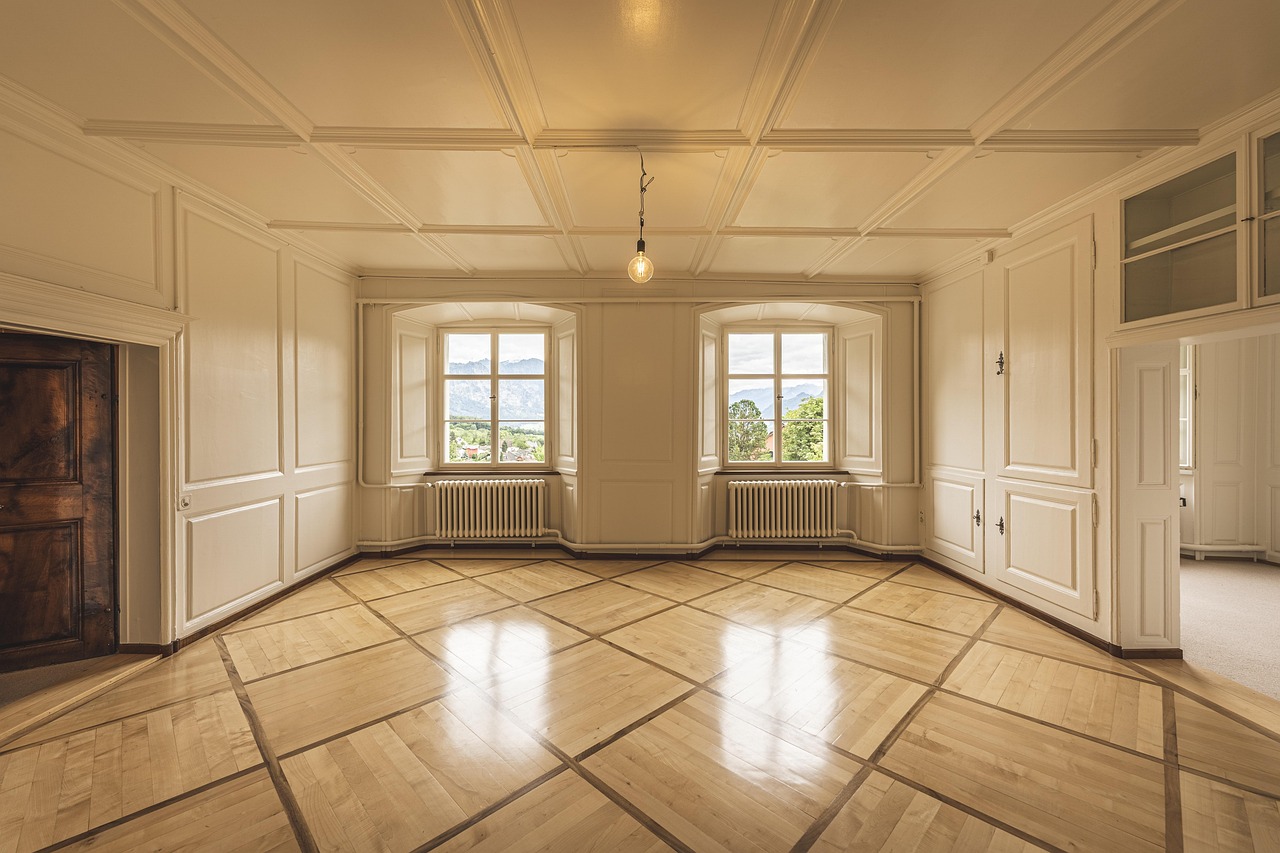
The loss of a loved one is a challenging and emotional experience, and one of the tasks that often follows is cleaning out their home. Sorting through their belongings can be both physically and emotionally demanding, as it requires us to confront memories and make decisions about what to keep, donate, or discard. In this blog post, we offer guidance on navigating the process of cleaning out a loved one’s home with care, compassion, and practicality.
Give Yourself Time to Grieve:
- Before embarking on the task of cleaning out a loved one’s home, it is crucial to give yourself time to grieve. Recognize that the process may stir up a range of emotions, from sadness to nostalgia and even guilt. It’s important to be patient with yourself and allow space for the healing process to unfold.
Gather Support:
- Cleaning out a loved one’s home can be overwhelming, both physically and emotionally. Reach out to family members, close friends, or a support network who can provide assistance and emotional support during this time. Having others by your side can make the process more manageable and provide opportunities for shared memories and reflection.
Approach the Process with Sensitivity:
- Remember that each item in your loved one’s home holds a story and sentimental value. Approach the cleaning process with sensitivity and respect. Take the time to reflect on the significance of each item before deciding whether to keep, donate, or discard it. Trust your intuition and honor your loved one’s memory as you make these decisions.
Prioritize Organization:
- To make the process more manageable, develop an organized approach. Start by categorizing items into groups, such as keepsakes, valuables, sentimental items, and everyday belongings. Label boxes or bags accordingly and maintain a detailed inventory. This organization will facilitate the sorting process and help ensure that important items are not misplaced.
Preserve Sentimental Items:
- While it may be necessary to let go of some possessions, it’s important to preserve and cherish sentimental items. Photographs, letters, jewelry, and other personal mementos carry memories that can provide comfort in the future. Create a designated space to store these cherished items or consider incorporating them into your own home to keep the connection with your loved one alive.
Seek Assistance with Donations and Discarding:
- Donating or discarding belongings can be emotionally challenging. Consider enlisting the help of local charities, thrift stores, or organizations that accept donations. Knowing that the items will find new purpose can bring a sense of closure. Additionally, seek guidance on disposing of unwanted items responsibly, adhering to local regulations and environmental considerations.
Pace Yourself:
- Cleaning out a loved one’s home is not a task to be rushed. Pace yourself and take breaks when needed. The process may unfold over several days or weeks, depending on the size of the home and the number of belongings. Prioritize self-care and ensure you have time to rest, reflect, and process your emotions throughout the journey.
Cleaning out a loved one’s home after their passing can be an emotional and challenging process. By approaching it with sensitivity, gathering support, prioritizing organization, preserving sentimental items, seeking assistance with donations, and pacing yourself, you can navigate this task with care and compassion. Remember, the process is a personal journey, and it is okay to seek professional help or counseling if needed. May the process of cleaning out your loved one’s home be a gentle step toward healing and honoring their memory.